When Was the Turning Point?
One does not need to be a political analyst to see that climate of Middle East has changed drastically. When new millennium started there were signs of hope. In Iran there was a reformer President in place, for last few years there were talks of human rights and civil society in the region. That wave had given strength to local population in Egypt, Syria, GCC countries and other Middle Eastern countries that there was hope. All over the region radicalism was in retreat, here and there radicals had made a stand using their grip on power or intelligence services but Middle Easterns knew that the dark days would be over.
As an Iranian I was optimistic, we all were.
5 and half years later nothing is left from those days. Optimism and the excitement of the days of reform have given away to disappointment and despair. Iran is on the verge of confronting the global order in place by the USA over its nuclear policy, in Palestine HAMAS is in charge officially, Iraq is falling apart. In the region the support for human rights and democracy has given the way to the frustration of invasion of Iraq and the agony caused by an ever increasingly ignorant west. The values of Islam are considered to be in danger, while traditional societies and the rules of engagement of last half century are not in place any more. When was the turning point in last years when the events were set in motion to bring these days as the result of Spring of Tehran? Many might argue the 911 was the catastrophic event which has drawn the picture of the Middle East today, however I beg to differ. 911 although a magnificent event in its own place, could not possibly cause all of these. It might ignite an engine, but it did not build the road.
Thinking of past I could think of many moments when foresight and elaboration could have altered circumstances. Dividing the campaign against terrorism I would like to highlight pre Iraq and pro Iraq invasion phases. In first stage, when Afghanistan was on agenda, the global agreement over necessary actions was easily achieved. The illusions of White House neoconservative residents did not prevent State Department from seeking help and assistance from the all quarters. The second stage orchestrated on false information, wrong expectations and weak planning amidst global objections. USA did not acknowledge the role played by Iran in Afghanistan calling the country a member of axis of evil. Iran felt threatened thus she became defensive. Reformers lost momentum at home entirely, radicals united their support base using their patriotic emotions moved into offensive. Confused EU countries chose to press on nuclear agenda in Iran, one of meager importance in Iranians’ daily life leaving them to be alone in their struggle for a civil society. Iraq began to fall apart; the united front which had brought success in Afghanistan was absent here.
USA paranoia of a strong Iran becoming the real victor leads this country into an aggressive policy over Iran. Iran believing in her own rights to be a regional leader chose to make a stand over an absurd issue. Fact is American arrogance and Iranian paranoia of foreign intervention both have been passing opportunities for a long time now. The truth is there are moments when one wonder what would have had happened had the actions and the words were different. But there is not one single decisive one.
Today has come upon us, neither because of our sins nor a single event. It has come upon us because presidents failed to be greater than words, because politicians seek answers in short term and because here and there good men failed to do something, anything. Because a supreme power feels righteous in changing a world and a world feels righteous in defending itself. It is not because of events, it is simply because of nature of power and what it requires: Righteousness, I hate righteousness!
Sunday, March 05, 2006


Tuesday, February 28, 2006
An Iranian Student Dillemma
Please read this:
http://www.iranian.com/Aghdassifar/2006/February/Home/index.html
We, Iranians, have a flag which does not represent any evil. It does however represent our hopes for future and the way we see Iran: A country of natural resources and green mountains (green), a place we dream of seeing free, independent and democratic (white) and we rather die before seeing it in ruins (red). I am an Iranian, I love my country. I believe its flag represents me. This is the very same flag under which thousands and thousands die for Iran, believing better days would come. I shall show it with pride and honor. It does represent hopes of a better day and a large share of my identity. I assure you there is no place in that identity for violence or terrorism or misspelling the word.
Please read this:
http://www.iranian.com/Aghdassifar/2006/February/Home/index.html
We, Iranians, have a flag which does not represent any evil. It does however represent our hopes for future and the way we see Iran: A country of natural resources and green mountains (green), a place we dream of seeing free, independent and democratic (white) and we rather die before seeing it in ruins (red). I am an Iranian, I love my country. I believe its flag represents me. This is the very same flag under which thousands and thousands die for Iran, believing better days would come. I shall show it with pride and honor. It does represent hopes of a better day and a large share of my identity. I assure you there is no place in that identity for violence or terrorism or misspelling the word.
Monday, February 27, 2006
Starbucks in TEHRAN
While in Middle East some would argue to bycotte Starbucks and Haagen Dazs because of thier affiliations with Israel, Iranians have found a way to by pass laws of country to bring in Starbucks coffee calling it Star Box, there is more here with photos:
http://www.persianmirror.com/community/2006/Photoessay/IranianStarbucks.cfm
Sometimes I ask myself why we have laws that everyone, even the lawmaker himself, is so eager to bypass? It seems laws sometimes serve as a challenge more than serving as a principle.
While in Middle East some would argue to bycotte Starbucks and Haagen Dazs because of thier affiliations with Israel, Iranians have found a way to by pass laws of country to bring in Starbucks coffee calling it Star Box, there is more here with photos:
http://www.persianmirror.com/community/2006/Photoessay/IranianStarbucks.cfm
Sometimes I ask myself why we have laws that everyone, even the lawmaker himself, is so eager to bypass? It seems laws sometimes serve as a challenge more than serving as a principle.
Thursday, February 16, 2006
Have Europeans Become Fundamentalist as well?
Reading news and reports, interviews and editorial one is surprised to discover how many have defended the caricatures in the name of free speech stubbornly and almost passionately. It seems that no one is concerned that the very same editor refused to publish caricatures of Jesus Christ without his conscience being burdened by limiting "freedom of speech". It also seems that no one can possibly understand what Prophet Mohammad means to millions of Muslims, who are impoverished, forgotten and abused by their governments, struggling daily to survive, have only their faith, their religion, their prophet to provide them with some sense of security, comfort and dignity and most significantly with some hope for a better future.
It seems that Europeans have become fundamentalists as well, that is a sad and new development. Disappointed by Iranians and Encouraged by Americans Europeans have changed course after all. After September 11, European governments achieved a new level of popularity among Arab population. France and Germany opposed invasion of Iraq while EU kept engaging Iran. EU seemed to be advocating cultural change, non-violent approach and diplomatic solution. This resulted in forming a pro-European faction in many countries including Iran, where reformers although disappointed by USA lack of appreciation continued to follow an open foreign policy.
Many North African and Middle Eastern students chose European universities over American ones, which caused their presence in European higher education to increase and the number of applicants to double. For a while there was hope that there is a third wise party to the struggle between Islamic fundamentalism and Christian fundamentalism. Europe understanding and tolerance of Islamic world made possible for many of us to believe the world is not divided into two opposing camps with only one choice: victory or death.
This is not the case anymore. Al Qaedeh, forced to hideouts in USA, shifted its plans to Europe. The names of Madrid and London now echo the sad bloodstained memories of bombings that ended so many innocent lives. Domestic violence intensified when France second generation of Muslim immigrants took to the street their frustration of a society unenthusiastic about their presence. In Iran where so much was hoped and so much was at stake the indecisive reform leadership mismanaged the presidential election so badly, that Iranians found the worst of all conservatives, a fascist, sworn in as the President of the republic.
Europe tolerance and goodwill had brought them bombs, failures and a nuclear headache. Rising oil prices, economic problems and threat of terrorism send home German moderates to bring in another iron lady, one who knew how was it to live under People's Republic. France frustrated by her own domestic issues, disappointed by Iran and worried of its nuclear ambitions changed course too. A fierce critic of invasion of Iraq started to use a tune similar to that of White House regarding Iran. In matter of months Europe the torch of tolerance and peace was no more.
The last drop it seemed to be the cartoons, proud of freedom of speech and committed to protect the free press Europeans reaction to protest was of a different nature. While Muslims asked Europeans to respect the holiness of their prophet, many reacted by considering it as a matter of freedom of speech asking Muslims to respect that. Europe became intolerant of those who do not understand the importance of freedom of speech but do have a clear idea of the respect their prophet deserves. Many used this opportunity to force Europe into black and white picture of this hypothetical conflict of misleading minds and obsessed souls. It seems Europeans are becoming fundamentalist after all, blinded by axioms, ignorant of their goals, unaware of their meaning they are insisting just on following a form achieving nothing helping destruction of all. It is a sad day indeed.
Reading news and reports, interviews and editorial one is surprised to discover how many have defended the caricatures in the name of free speech stubbornly and almost passionately. It seems that no one is concerned that the very same editor refused to publish caricatures of Jesus Christ without his conscience being burdened by limiting "freedom of speech". It also seems that no one can possibly understand what Prophet Mohammad means to millions of Muslims, who are impoverished, forgotten and abused by their governments, struggling daily to survive, have only their faith, their religion, their prophet to provide them with some sense of security, comfort and dignity and most significantly with some hope for a better future.
It seems that Europeans have become fundamentalists as well, that is a sad and new development. Disappointed by Iranians and Encouraged by Americans Europeans have changed course after all. After September 11, European governments achieved a new level of popularity among Arab population. France and Germany opposed invasion of Iraq while EU kept engaging Iran. EU seemed to be advocating cultural change, non-violent approach and diplomatic solution. This resulted in forming a pro-European faction in many countries including Iran, where reformers although disappointed by USA lack of appreciation continued to follow an open foreign policy.
Many North African and Middle Eastern students chose European universities over American ones, which caused their presence in European higher education to increase and the number of applicants to double. For a while there was hope that there is a third wise party to the struggle between Islamic fundamentalism and Christian fundamentalism. Europe understanding and tolerance of Islamic world made possible for many of us to believe the world is not divided into two opposing camps with only one choice: victory or death.
This is not the case anymore. Al Qaedeh, forced to hideouts in USA, shifted its plans to Europe. The names of Madrid and London now echo the sad bloodstained memories of bombings that ended so many innocent lives. Domestic violence intensified when France second generation of Muslim immigrants took to the street their frustration of a society unenthusiastic about their presence. In Iran where so much was hoped and so much was at stake the indecisive reform leadership mismanaged the presidential election so badly, that Iranians found the worst of all conservatives, a fascist, sworn in as the President of the republic.
Europe tolerance and goodwill had brought them bombs, failures and a nuclear headache. Rising oil prices, economic problems and threat of terrorism send home German moderates to bring in another iron lady, one who knew how was it to live under People's Republic. France frustrated by her own domestic issues, disappointed by Iran and worried of its nuclear ambitions changed course too. A fierce critic of invasion of Iraq started to use a tune similar to that of White House regarding Iran. In matter of months Europe the torch of tolerance and peace was no more.
The last drop it seemed to be the cartoons, proud of freedom of speech and committed to protect the free press Europeans reaction to protest was of a different nature. While Muslims asked Europeans to respect the holiness of their prophet, many reacted by considering it as a matter of freedom of speech asking Muslims to respect that. Europe became intolerant of those who do not understand the importance of freedom of speech but do have a clear idea of the respect their prophet deserves. Many used this opportunity to force Europe into black and white picture of this hypothetical conflict of misleading minds and obsessed souls. It seems Europeans are becoming fundamentalist after all, blinded by axioms, ignorant of their goals, unaware of their meaning they are insisting just on following a form achieving nothing helping destruction of all. It is a sad day indeed.
Wednesday, February 08, 2006
Something about Cartoons
A colleague walked toward me today: - What is the deal with these Muslims over Cartoons? -How the hell I am supposed to know? They are angry, it has been a last drop and many are abusing it to make themselves heard -No matter what we do Muslims hate us, those who are in charge fill them with hatred. Out of sudden, I a Shi’e and an Iranian became the representative of 1.2 billion Muslims from several backgrounds divided in dozens religious groups, some I have not even heard of. There are a few things that must be said about these recent events. First of all there were two kinds of protests against these cartoons. One organized by Muslim population, either immigrants living in Europe tired and angry at their negative image and their isolation [1] or Muslim population in Islamic countries. Governments organized the others. Some made their anger known through official channels; this includes all governments even secular Uzbekistan and some organized mobs. After all since when three people can get together in Damascus without Syrian intelligence being on their tail? What happened in Tehran, Beirut and Damascus were organized by a minority in a minority to make a political statement abusing an opportunity created by Danish naivety. Radicals cornered by the lack of tact and their diplomatic inabilities grabbed these cartoons as a God sent opportunity to push their people to the old lines dividing Corrupt West and Pure Islamic World. Why our governments do not protect the dignity of Islam and our Prophet, may angels salute his soul, by having higher moralities, a better conduct a more efficient system?
Those who love power use any opportunity to abuse it in order to hold to it. The have abused Islam, they have abused our love for prophet and Islam, they have betrayed both our national interests and Islam and They are abusing our rights, our freedom and us in the name of Islam and our national interests.
The day a President or a King in Arab countries have assumed whole power, and stop letting his opposition to be heard, he has insulted Prophet who always consulted his followers, who let those who disagreed with him to be heard. Today rulers such as Qaddafi and Emirs of UAE are rolling in money, cash and luxuries while our Muslim brothers and sisters are cold in Pakistani mountains, but nobody calls this an insult! To a Prophet who ate just three dates a day when his followers did not have food, who bought an Aba[1] for just 4 silver coins instead of a better one for 12 so he could buy and free a slave with 8 left, isn’t this an insult? Our governments insulted our prophet by letting his teaching to become limited to veil for women. None recalls his manner in running a government, his accuracy in keeping public accounts and his modesty toward his followers. We are living in a time that our rulers consider themselves even closer to God than our beloved Prophet, more righteous than him who so many times told his followers: “I am a human like you” They are not anything like him, the best thing they can do to defend his dignity is to leave him alone and to stop justifying themselves and their actions in his name and in the name of Islam. I wonder why we are not protesting those who in his name have done so many wrongs?
[1] An Arab Dress covering from shoulders to toe over a long shirt and trousers
A colleague walked toward me today: - What is the deal with these Muslims over Cartoons? -How the hell I am supposed to know? They are angry, it has been a last drop and many are abusing it to make themselves heard -No matter what we do Muslims hate us, those who are in charge fill them with hatred. Out of sudden, I a Shi’e and an Iranian became the representative of 1.2 billion Muslims from several backgrounds divided in dozens religious groups, some I have not even heard of. There are a few things that must be said about these recent events. First of all there were two kinds of protests against these cartoons. One organized by Muslim population, either immigrants living in Europe tired and angry at their negative image and their isolation [1] or Muslim population in Islamic countries. Governments organized the others. Some made their anger known through official channels; this includes all governments even secular Uzbekistan and some organized mobs. After all since when three people can get together in Damascus without Syrian intelligence being on their tail? What happened in Tehran, Beirut and Damascus were organized by a minority in a minority to make a political statement abusing an opportunity created by Danish naivety. Radicals cornered by the lack of tact and their diplomatic inabilities grabbed these cartoons as a God sent opportunity to push their people to the old lines dividing Corrupt West and Pure Islamic World. Why our governments do not protect the dignity of Islam and our Prophet, may angels salute his soul, by having higher moralities, a better conduct a more efficient system?
Those who love power use any opportunity to abuse it in order to hold to it. The have abused Islam, they have abused our love for prophet and Islam, they have betrayed both our national interests and Islam and They are abusing our rights, our freedom and us in the name of Islam and our national interests.
The day a President or a King in Arab countries have assumed whole power, and stop letting his opposition to be heard, he has insulted Prophet who always consulted his followers, who let those who disagreed with him to be heard. Today rulers such as Qaddafi and Emirs of UAE are rolling in money, cash and luxuries while our Muslim brothers and sisters are cold in Pakistani mountains, but nobody calls this an insult! To a Prophet who ate just three dates a day when his followers did not have food, who bought an Aba[1] for just 4 silver coins instead of a better one for 12 so he could buy and free a slave with 8 left, isn’t this an insult? Our governments insulted our prophet by letting his teaching to become limited to veil for women. None recalls his manner in running a government, his accuracy in keeping public accounts and his modesty toward his followers. We are living in a time that our rulers consider themselves even closer to God than our beloved Prophet, more righteous than him who so many times told his followers: “I am a human like you” They are not anything like him, the best thing they can do to defend his dignity is to leave him alone and to stop justifying themselves and their actions in his name and in the name of Islam. I wonder why we are not protesting those who in his name have done so many wrongs?
[1] An Arab Dress covering from shoulders to toe over a long shirt and trousers
Saturday, February 04, 2006
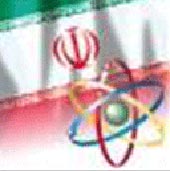
Iran’s Nuclear Issues and Political Dynamics of Iranian Society ...2
The debate over Iran’s nuclear program and its ambitions has occupied the headlines for quite a while. Media reporting its developments by a vigor becoming of football fans watching their team making yard by yard in the field. On one side there is a government seeking its clash with the world in order to prove its black and white image of world and to gain credibility, on the other side there are governments with nuclear arsenal of their own and armies on both sides of Iran, determined not to let her acquire the ability to become a nuclear power. After September 11, 2001 it is not hard to understand the motives of western countries, although had it not had happened one still would have doubted it very much that these governments would agree to a nuclear Iran. 911 provides the context and the mass media tool to gain public support for a firm stand and its potentially dramatic consequences and not the motives.
Like any other event of international significance Iran’s nuclear ambitions have not become important for what they are, but for what they represent. They represent a country, a political regime who wants to gain international credibility by becoming a significant international player not by obliging the big boys of this global club but by acquiring means to be powerful. As a nation Iranians are still seeking to establish their position as a regional power.
The political regimes of Iran have followed the same goal independent from their nature. Pahlavi did this by becoming the most important American ally in the region, establishing an army second to none of his neighbors; Islamic Republic is pursuing the same goal by reviving its influence among the Shi’a circles and establishing a nuclear infrastructure. Both regimes consider joining the nuclear club the most important step toward achieving their regional might. For them the idea of power is a physical one, not a commercial one. To be respected for both means to be feared not to be needed. Thus one is surprised how little both regimes try to establish Iran as an industrial country or an economic power. The idea of being told what to do by the powers because they have the power to prevent Iran from becoming powerful is appealing neither to Iranians nor to their political regimes. The only place Iranians are big in compromise is Bazaar and not diplomacy and not the matters of honor.
This has put current Iranian administration in a corner. In President Khatami’s days conservatives used the nuclear issue to portray an unpatriotically compromising picture of his administration. Now in President Ahmadi Neghad’s administration they have made it their first priority. Conservatives continue to be morally right factions who are defending Iran, the holiest of all for Iranians, and her rights righteously. It also would put liberals and reformers on defensive, because they can not criticize the government policies openly fearing the public would consider them disloyal to Iran as collaborators. This would doom the chances of any democratic change in Iran and guarantee the hardliners dominance. And if they can get through the current situation, they will consider themselves national heroes; a role they are not so gracious at and would give them the instruments to eliminate their opponents, rivals and critiques.
Fifty odd years ago Pahlavi gained his international credibility and secured its internal role as the dictator of Iran by going through nationalizing Iran‘s oil industry and crossing Dr. Mossadegh, the popular architect of the movement. Today on a similarly nationalistic platform Islamic Republic is fighting for the same thing: international credibility and unchallenged control of Iran. Question is if it can pull it off. In next note I share with you my thoughts on this topic.
Friday, December 02, 2005
Personal Reflections on Iran’s Reform Movement Failures
Personal Reflections on Iran’s Reform Movement Failures
It was the day after the presidential election second round last summer, June 25 2005, Ahmadi Neghad, the unknown mayor of Tehran was the president of Iran. I was sitting down looking at my monitor asking myself why it happened. I saw the new mail icon popped up; there was an email from a friend in Tehran. Said Shariati; a war veteran who was an active reformer, his email was about the election results. Something went through me. I started to type an angry email about why reform movement failed; all were lost. After many lines I stopped. Did I have the right to tell him? After all they were there, and I was not. I deleted everything. Today I want people like him to know how much they are appreciated. They were brave soldiers a leaderless army, it was not their fault. It is our duty and our right to look into last eight years to understand, to analyze and to plan. There will be another day.
Many may argue reforms have been successful one way or other, but success like victory has a clear definition. And the success of reform never was, is and will be defined as the success of those who have opposed it bitterly, violently and in some cases cowardly. It is fall of 2005; reform is over all but a memory.
Why did reform movement fail? The answer to this question varies dramatically. But there is some common consensus among my esteemed compatriots Iranians. A wide range of elites, reform activists and politicians blame Iranian people in different words. Mr. Tajzadeh, the former energetic deputy of ministry of interior, told a reported in last July that Iranian people are not citizens of Switzerland so one should not expect much. I asked the same question from a 36 years old female physician in Tehran and she exploded: “These people do not deserve even Ahmadi Neghad, he is too much for them and their level of culture.” Iranian people voted for Ahmadi Neghad at least 17 million of them did so, the others voted for him with their silence.
There are more facts. Iranian people voted for President Khatami in two presidential elections overwhelmingly, two out of every three Iranians who had voted, chose him. When in 1997 Khatami took office everybody was hopeful. In the streets of Tehran strangers would congratulate each other, it was a strange discovery for me to see my compatriots could be truly happy. Constitutionally may be he as the president of Islamic Republic did not have much power and was second to the Supreme Leader, but Khatami could have summoned such a muscle in the streets of Tehran that was more than what Supreme Leader or any other conservative factions could have managed. When he came to office, everybody felt something great was about to begin. Iranian people did not stop at supporting reformists then and there, they voted in the first municipal and the sixth Majlis (Iran’s Parliament) elections overwhelmingly in favor of reformists. Many in reformist circles had hoped by winning the majority in Parliament the road would be open for permanent changes, some even were saying: “The real reforms will begin when we are in Majlis.” It was a promise they made, a promise they did not honor. The second presidential election was a success, the support this time was overwhelmingly from all social layers, Iranian people voted for him no matter where they were, in a remote village or in Paris. Many emailed, called, send short messages and begged others to vote. Many did, it was another victory, the last one.
Along the roads many had been left behind. Members of Tehran Police and Ansar e Hezbollah attacked University of Tehran dormitories; they trashed building, broke the doors and threw students out of the windows. From the popular figures able men such as Karbaschi the mayor of Tehran and Abdullah Noori the minister of interior were imprisoned. Several newspapers were shut down in 2000; dozens of journalists lost their jobs. Meanwhile people witnessed how the council of Tehran was dysfunctional because of petty fights among its reformer members, they did not see any support for students, and one of the attackers was punished for stealing a shaving machine and nothing else. The assassin who shut Hajjarian one of the reform’s strategist went free unpunished. Reformist administration and reformist parliament watched all of these doing nothing, just protesting from time to time, calling on masses to continue their support. When Guardian Council disqualified several reformists in 2004, reformists already had lost their national support. Guardian Council did not expect a fight; its task was as easy as cutting down dead branches of a tree. Many mocked their protest, because they had been conveniently silent when others lost their jobs and faced imprisonments.
The truth is Iranian elite mindset is a paradoxical one. On one-hand they want people intelligent enough, brave enough and selfless enough to suffer and to sacrifice for their cause, keeping them in power and in their cozy offices and well-paid positions. On the other hand the same politicians and elites consider them as uneducated, primitive and insensitive masses; that must be lead and guided. One cannot be intelligent enough to see the long run benefits of a democratic movement and insensitive enough to follow submissively at the same time. Iranian people have sacrificed so much in their struggle for a better country. They died in the battlefields of Iran-Iraq war and they perished in prisons. Some have chosen immigration and some have become isolated souls in their own homeland. They still suffer from poverty, discrimination and inequality. And yet despite everything, bad traditions and social injustice they try to have dignity wherever they can, in their homes, in their workplaces, in their schools and in their deathbeds. It was not their fault that reform failed.
Reform failed because reformists, reformist administration and reformist parliament let people down. It failed because President Khatami simply did not want to assume the leadership of reform movement did not want to trust people and did not want to call upon them. At the same time his administration tolerated conservatives’ rebelliousness, Guards’ intervention in politic and economic affairs and hardliners ignorance of law and rules of the game. Reformist officials follow the suite, they did not have a plan, they did not design one and they did not follow even one united strategy. They put no less than 3 candidates for presidency. A minister, a vice president and Majlis speaker all from different reformist groups compete for one seat. The conservative did not need to divide and conquer! The opposing camp was already divided.
For Iranian elite to blame Iranian people for reform failure is not an act of ignorance and arrogance, it is an act of cowardice and treason. The elite are supposed to know, to plan, to design policies to find issues and to offer solutions. They are supposed to lead, and leadership is an art, a skill. And it is not definitely sitting down silently and witnessing events folding without interrupting them.
Reform movement failed for many reasons foremost it failed because Iranian elite failed to lead, failed to find issues they could have addressed and failed to give people a sense of accomplishment. No it was not Iranian people, it was not their fault.
It was the day after the presidential election second round last summer, June 25 2005, Ahmadi Neghad, the unknown mayor of Tehran was the president of Iran. I was sitting down looking at my monitor asking myself why it happened. I saw the new mail icon popped up; there was an email from a friend in Tehran. Said Shariati; a war veteran who was an active reformer, his email was about the election results. Something went through me. I started to type an angry email about why reform movement failed; all were lost. After many lines I stopped. Did I have the right to tell him? After all they were there, and I was not. I deleted everything. Today I want people like him to know how much they are appreciated. They were brave soldiers a leaderless army, it was not their fault. It is our duty and our right to look into last eight years to understand, to analyze and to plan. There will be another day.
Many may argue reforms have been successful one way or other, but success like victory has a clear definition. And the success of reform never was, is and will be defined as the success of those who have opposed it bitterly, violently and in some cases cowardly. It is fall of 2005; reform is over all but a memory.
Why did reform movement fail? The answer to this question varies dramatically. But there is some common consensus among my esteemed compatriots Iranians. A wide range of elites, reform activists and politicians blame Iranian people in different words. Mr. Tajzadeh, the former energetic deputy of ministry of interior, told a reported in last July that Iranian people are not citizens of Switzerland so one should not expect much. I asked the same question from a 36 years old female physician in Tehran and she exploded: “These people do not deserve even Ahmadi Neghad, he is too much for them and their level of culture.” Iranian people voted for Ahmadi Neghad at least 17 million of them did so, the others voted for him with their silence.
There are more facts. Iranian people voted for President Khatami in two presidential elections overwhelmingly, two out of every three Iranians who had voted, chose him. When in 1997 Khatami took office everybody was hopeful. In the streets of Tehran strangers would congratulate each other, it was a strange discovery for me to see my compatriots could be truly happy. Constitutionally may be he as the president of Islamic Republic did not have much power and was second to the Supreme Leader, but Khatami could have summoned such a muscle in the streets of Tehran that was more than what Supreme Leader or any other conservative factions could have managed. When he came to office, everybody felt something great was about to begin. Iranian people did not stop at supporting reformists then and there, they voted in the first municipal and the sixth Majlis (Iran’s Parliament) elections overwhelmingly in favor of reformists. Many in reformist circles had hoped by winning the majority in Parliament the road would be open for permanent changes, some even were saying: “The real reforms will begin when we are in Majlis.” It was a promise they made, a promise they did not honor. The second presidential election was a success, the support this time was overwhelmingly from all social layers, Iranian people voted for him no matter where they were, in a remote village or in Paris. Many emailed, called, send short messages and begged others to vote. Many did, it was another victory, the last one.
Along the roads many had been left behind. Members of Tehran Police and Ansar e Hezbollah attacked University of Tehran dormitories; they trashed building, broke the doors and threw students out of the windows. From the popular figures able men such as Karbaschi the mayor of Tehran and Abdullah Noori the minister of interior were imprisoned. Several newspapers were shut down in 2000; dozens of journalists lost their jobs. Meanwhile people witnessed how the council of Tehran was dysfunctional because of petty fights among its reformer members, they did not see any support for students, and one of the attackers was punished for stealing a shaving machine and nothing else. The assassin who shut Hajjarian one of the reform’s strategist went free unpunished. Reformist administration and reformist parliament watched all of these doing nothing, just protesting from time to time, calling on masses to continue their support. When Guardian Council disqualified several reformists in 2004, reformists already had lost their national support. Guardian Council did not expect a fight; its task was as easy as cutting down dead branches of a tree. Many mocked their protest, because they had been conveniently silent when others lost their jobs and faced imprisonments.
The truth is Iranian elite mindset is a paradoxical one. On one-hand they want people intelligent enough, brave enough and selfless enough to suffer and to sacrifice for their cause, keeping them in power and in their cozy offices and well-paid positions. On the other hand the same politicians and elites consider them as uneducated, primitive and insensitive masses; that must be lead and guided. One cannot be intelligent enough to see the long run benefits of a democratic movement and insensitive enough to follow submissively at the same time. Iranian people have sacrificed so much in their struggle for a better country. They died in the battlefields of Iran-Iraq war and they perished in prisons. Some have chosen immigration and some have become isolated souls in their own homeland. They still suffer from poverty, discrimination and inequality. And yet despite everything, bad traditions and social injustice they try to have dignity wherever they can, in their homes, in their workplaces, in their schools and in their deathbeds. It was not their fault that reform failed.
Reform failed because reformists, reformist administration and reformist parliament let people down. It failed because President Khatami simply did not want to assume the leadership of reform movement did not want to trust people and did not want to call upon them. At the same time his administration tolerated conservatives’ rebelliousness, Guards’ intervention in politic and economic affairs and hardliners ignorance of law and rules of the game. Reformist officials follow the suite, they did not have a plan, they did not design one and they did not follow even one united strategy. They put no less than 3 candidates for presidency. A minister, a vice president and Majlis speaker all from different reformist groups compete for one seat. The conservative did not need to divide and conquer! The opposing camp was already divided.
For Iranian elite to blame Iranian people for reform failure is not an act of ignorance and arrogance, it is an act of cowardice and treason. The elite are supposed to know, to plan, to design policies to find issues and to offer solutions. They are supposed to lead, and leadership is an art, a skill. And it is not definitely sitting down silently and witnessing events folding without interrupting them.
Reform movement failed for many reasons foremost it failed because Iranian elite failed to lead, failed to find issues they could have addressed and failed to give people a sense of accomplishment. No it was not Iranian people, it was not their fault.
Subscribe to:
Posts (Atom)